

Future top Ad Unit
Professional Integration Pending
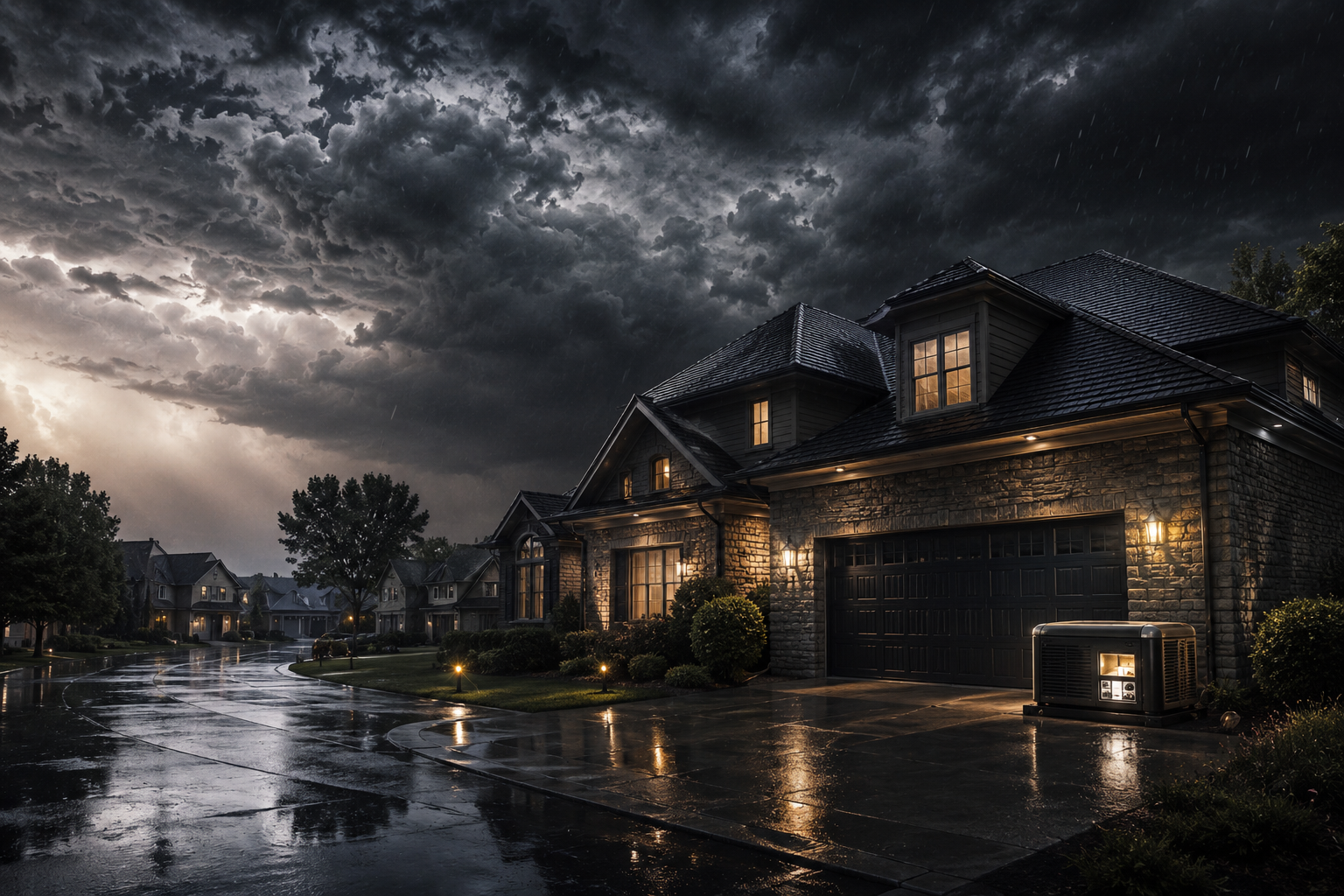
When disaster risk becomes real, the first few hours are rarely calm.
Power goes out. Roads become difficult to navigate. Local stores may close or run out of basics. Cell networks can become unreliable. A situation that looked manageable in the morning can turn into a household emergency by evening.
That is why an emergency kit is not just a box of supplies. It is a risk-management tool for your home.
For households in hurricane zones, flood-prone neighborhoods, wildfire corridors, earthquake regions, or areas exposed to winter storms, the goal is simple: stay functional when normal services are interrupted. You do not need a bunker. You need a practical, well-organized kit that can support your family through the first several days of uncertainty.
Below is a complete emergency kit checklist built around 10 essentials every household should consider.
1. Drinking Water
Water is the foundation of any emergency kit.
During a disaster, municipal water systems can be disrupted, contaminated, or temporarily unavailable. Even when water still flows from the tap, local authorities may issue boil-water notices or advise residents to avoid using it until testing is complete.
A practical baseline is to store clean drinking water for every person in your home. Include pets in your planning as well. Bottled water is easy to rotate, but larger water containers can be useful for families that want more capacity without filling shelves with individual bottles.
Store water in a cool, dark place where containers will not be damaged. Avoid placing emergency water near gasoline, chemicals, pesticides, or cleaning products.
Water is heavy, so think about mobility. If you may need to evacuate, keep some water in smaller containers that can be carried quickly.
2. Shelf-Stable Food
Food in an emergency kit should be simple, familiar, and low-maintenance.
Focus on items that do not require refrigeration, complicated cooking, or large amounts of water. Canned goods, ready-to-eat meals, protein bars, nut butter, crackers, dried fruit, and shelf-stable snacks are practical choices.
Choose food your household will actually eat. An emergency is not the ideal time to discover that no one likes the supplies you packed.
Do not forget a manual can opener. It is one of the easiest items to overlook, and one of the most frustrating to need during an outage.
For households with infants, older adults, or people with dietary restrictions, food planning matters even more. Pack formula, baby food, low-sodium options, diabetic-friendly snacks, or allergy-safe items where needed.
Rotate food regularly. A good emergency kit should not become a forgotten archive of expired cans.
3. First Aid Supplies
A first aid kit should help manage minor injuries when clinics, pharmacies, or emergency services are delayed.
At minimum, include adhesive bandages, gauze, antiseptic wipes, medical tape, gloves, tweezers, pain relievers, burn treatment, antibiotic ointment, cold packs, and any household-specific medical items.
A basic first aid guide can also be useful. In a stressful situation, even simple decisions can feel harder than usual.
Prescription medications deserve special attention. Keep a list of medications, dosages, prescribing doctors, and pharmacy contact information. Where possible, maintain a small emergency reserve, especially for medications that cannot be skipped safely.
For households with asthma, diabetes, heart conditions, severe allergies, or mobility needs, the medical section of the kit should be customized carefully.
4. Flashlights and Backup Lighting
Power outages are one of the most common disaster disruptions.
Flashlights are safer than candles in most emergencies, especially if there may be gas leaks, damaged wiring, pets, or children in the home. Pack at least one flashlight per adult, plus extra batteries.
Headlamps are especially useful because they keep your hands free. They can make it easier to shut off utilities, carry supplies, check a breaker panel, or help children move safely through a dark home.
Battery-powered lanterns are useful for lighting a room. Solar lights can also help, but they should not be your only lighting source because weather conditions may limit charging.
Test your lights when you review your kit. A flashlight with corroded batteries is not emergency equipment. It is clutter.
5. Emergency Radio and Communication Tools
When the power is out and cell service is unreliable, information becomes a safety asset.
A battery-powered or hand-crank emergency radio can help you receive weather alerts, evacuation notices, shelter information, and local updates. This is especially important during hurricanes, tornado outbreaks, wildfires, winter storms, and flooding events.
Pack charging cables for phones, power banks, and a car charger. Keep power banks charged, not just stored.
A printed contact list is also important. Many people no longer memorize phone numbers. If your phone is lost, damaged, or dead, you may not be able to contact family members, neighbors, schools, doctors, or insurance providers without a backup list.
Consider a simple household communication plan. Decide where family members should meet if separated. Choose an out-of-area contact who can relay messages if local calls are difficult.
6. Sanitation and Hygiene Supplies
Sanitation becomes more important when water service, sewer systems, or normal trash collection are disrupted.
Pack moist wipes, hand sanitizer, toilet paper, heavy-duty trash bags, disinfecting wipes, feminine hygiene products, diapers if needed, and basic personal care items.
For longer disruptions, sanitation planning can affect health and comfort. A small supply of soap, disposable gloves, zip bags, and absorbent material can help manage waste more safely.
Future mid Ad Unit
Professional Integration Pending
If your home relies on electric pumps, wells, or systems that may fail during outages, think through what bathroom access looks like when power is unavailable.
Good hygiene supplies do not make a kit glamorous. They make it usable.
7. Important Documents and Cash
After a disaster, documents can matter as much as supplies.
Keep copies of identification, insurance policies, property records, medical information, emergency contacts, pet vaccination records, and key financial documents in a waterproof pouch or container.
Digital backups are useful, but do not rely only on cloud storage. Internet access may be limited. A USB drive with scanned documents can be helpful, but it should be protected and stored securely.
Cash is also worth including. During widespread outages, card readers and ATMs may not work. Small bills are more practical than large denominations.
For homeowners, renters, and property investors, documentation can also support insurance claims and recovery. Consider keeping a simple home inventory with photos of major rooms, appliances, electronics, and valuable belongings.
8. Clothing, Blankets, and Weather Protection
Disasters often expose people to uncomfortable or unsafe temperatures.
Pack a change of clothes, sturdy socks, rain ponchos, gloves, warm layers, and emergency blankets. Adjust your kit based on local climate. A household in coastal Florida will prepare differently than one in Colorado, California, or the Midwest.
Shoes are especially important. After floods, earthquakes, tornadoes, or fires, broken glass, nails, debris, and contaminated water can make walking hazardous. Keep sturdy footwear accessible, not buried in a closet.
For children, check clothing sizes regularly. Emergency clothes that no longer fit are easy to miss until the moment they are needed.
If you may evacuate, include compact blankets or sleeping bags that are easy to carry.
9. Tools and Utility Supplies
A few basic tools can help you respond to damage, secure your home, or manage small problems before they become bigger ones.
Consider packing a multi-tool, wrench or pliers, duct tape, work gloves, whistle, plastic sheeting, rope, matches in a waterproof container, and a small fire extinguisher where appropriate.
Know how to shut off utilities if local guidance recommends it. Do not wait until an emergency to locate your gas shutoff, water valve, electrical panel, or main breaker.
A whistle is simple but useful if someone needs to signal for help. Work gloves can protect your hands when moving debris. Duct tape and plastic sheeting can help temporarily cover broken windows or leaks.
These are not substitutes for professional repair or emergency response. They are practical tools for the gap between impact and help.
10. Household-Specific Items
The best emergency kit is not generic. It reflects the people who live in the home.
For babies, include formula, bottles, diapers, wipes, pacifiers, and comfort items. For pets, include food, water, leashes, carriers, medication, and vaccination records. For older adults, include mobility aids, hearing aid batteries, glasses, and medical instructions.
If someone in the household has sensory needs, anxiety, or a disability, include items that support comfort and routine. Noise-reducing headphones, favorite snacks, backup communication cards, or familiar objects can make a difficult situation more manageable.
Also consider your location. A wildfire-area kit may need respirator-style masks, goggles, and go-bags near exits. A flood-prone household may need waterproof containers and evacuation documents. A hurricane-area home may need extra lighting, radio access, and longer-duration supplies. An earthquake-area kit may prioritize sturdy shoes, gloves, and tools.
Preparedness is personal. The checklist is the starting point, not the finish line.
How to Store Your Emergency Kit
Organization matters.
Use durable bins, backpacks, or duffel bags. Label them clearly. Keep essential items where adults can access them quickly, but where children and pets cannot damage or consume them.
Many households benefit from three layers of preparedness.
The first is a home kit with larger supplies. The second is a go-bag for evacuation. The third is a car kit with water, basic tools, first aid, flashlight, blanket, and phone charging options.
Do not store everything in one hard-to-reach place. If a garage floods, a closet is blocked, or a wildfire evacuation leaves you minutes to leave, access becomes part of the risk equation.
When to Review Your Kit
A kit is only useful if it is current.
Review it at least twice a year. Many households choose the start and end of daylight saving time as a reminder, but any recurring calendar date works.
Check expiration dates on food, water, batteries, medications, and first aid supplies. Recharge power banks. Update printed contact lists. Replace outgrown children’s clothing. Refresh pet food. Review documents after insurance renewals, moves, renovations, or major purchases.
Preparedness does not need to feel dramatic. It should feel routine.
Final Thoughts
The most effective emergency kit is the one you can actually use.
It should be practical, organized, and tailored to your household’s risk profile. A family living near a floodplain, a renter in a wildfire-prone county, and a homeowner in a hurricane-exposed coastal city may all need the same core supplies, but the details will differ.
Start with the essentials: water, food, first aid, lighting, communication, sanitation, documents, clothing, tools, and household-specific needs.
Then improve the kit over time.
Disasters can be sudden. Preparedness should not be.